

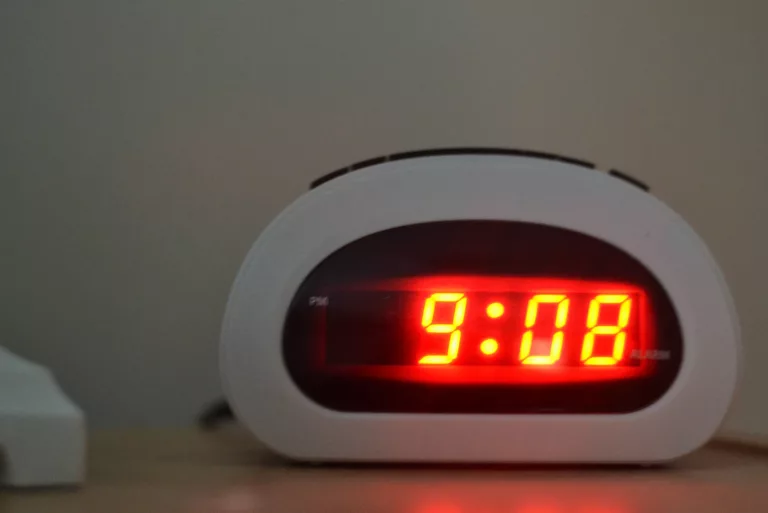
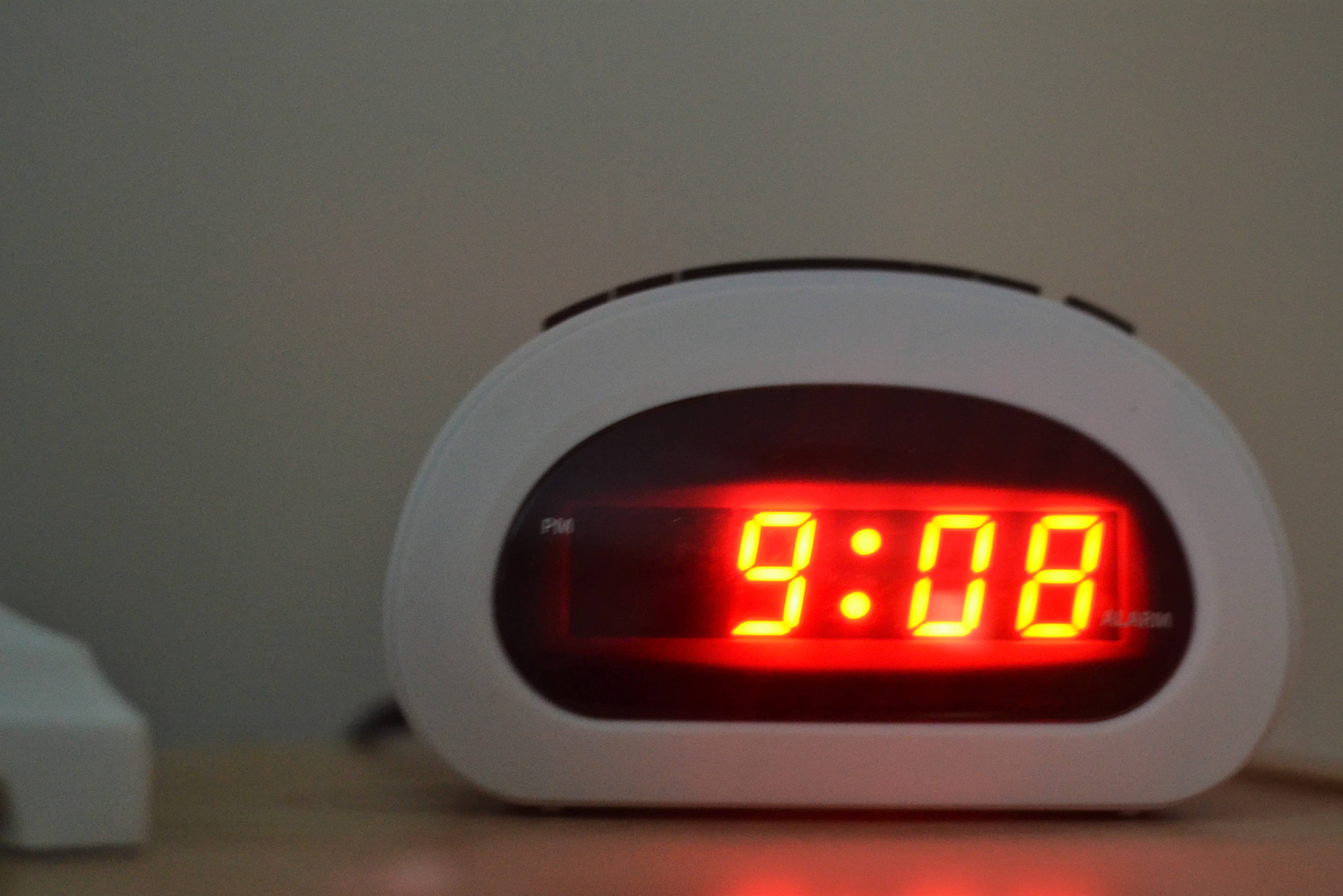
Don’t forget to set clocks back an hour before sleep tonight, as Daylight saving time comes to an end around 2 in the morning Sunday.
This will bring an extra hour of sleep into the picture, but it’s going to get darker quicker, and it’s the beginning of increasingly shorter amounts of daylight until the winter solstice on December 21. By the end of November and most of December, we’ll have roughly 9 ½ hours of daylight.
According to History.com’s Evan Andrews, daylight saving concepts were originally based around the idea of energy conservation, and the need to sync up daylight hours with when people are naturally awake.
The idea first came about in 1895, when entomologist George Vernon Hudson scripted a failed proposal to shift a two-hour block of time through the Royal Society of New Zealand.
Those ideas ruminated across the globe before taking root in both Germany and Austria during World War I, which both implemented a one-hour clock shift on April 30, 1916, in order to conserve electricity needed for the wartime effort.
The US followed suit in 1918, but repealed it in 1919.
In 1942, U.S. President Franklin Delano Roosevelt applied daylight saving time once again for efforts during World War II, and following the end of the war, several states kept the practice.
In 1966, Congress passed the “Uniform Time Act,” further standardizing daylight saving across all 50 states and scripted its beginning and end for April and October, respectively.
It wasn’t changed to March and November until 2007, and now the practice is widely argued among scientists, agronomists and others. Recent studies show the energy conservation is negligible, at best, and states like Hawaii and Arizona have opted out of the practice altogether.
Furthermore, national clinicians have long noted the turning back and springing forward of the clock can lead to rare cases of seasonal affective disorder — better known as seasonal depression.